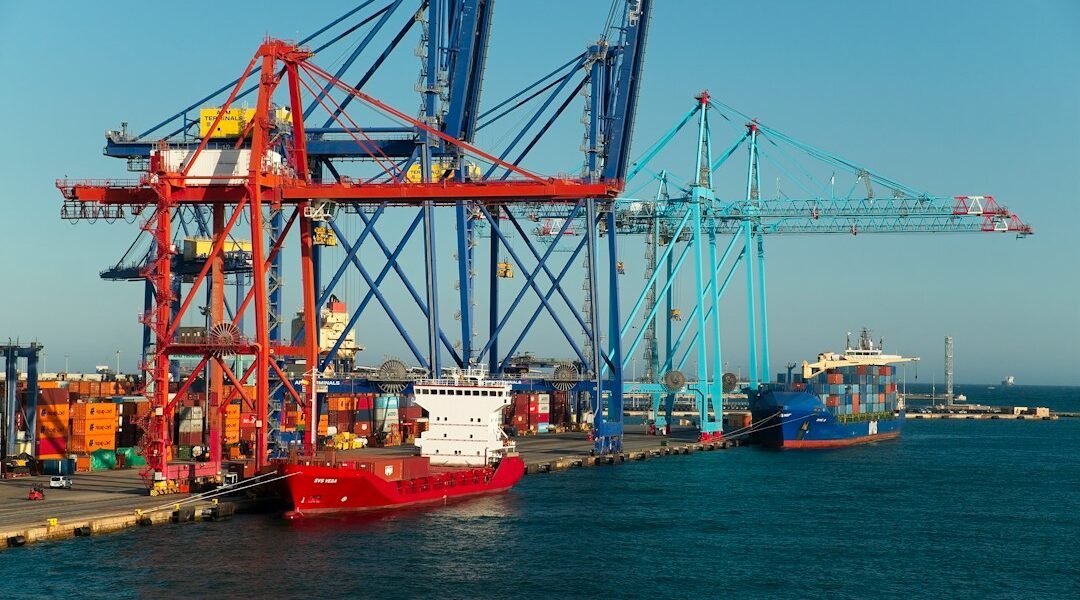

Sea freight remains one of the most practical ways to move large, heavy, or non-urgent shipments across international markets. For U.S. importers and exporters, ocean shipping can offer strong capacity and competitive per-unit costs—but the final result depends on container choice, port handling, customs preparation, transit time, and delivery planning.
This 2026 guide explains how sea freight works, how to compare FCL and LCL, what affects ocean freight costs, which documents are commonly required, and how to avoid delays when shipping to or from the United States.

What Is Sea Freight?
Sea freight, also called ocean freight, is the transportation of cargo by ship between seaports. Businesses use it for products such as machinery, furniture, apparel, electronics, building materials, vehicles, food ingredients, and industrial supplies. A shipment may travel in a standard container, a temperature-controlled container, a flat rack, an open-top container, or as breakbulk cargo.
Ocean shipping is usually slower than air freight, but it can be more economical for large volumes. It is especially useful when the shipment is planned early and the business can manage port-to-port and inland delivery schedules.
How Sea Freight Works in 2026
- Plan the shipment: Confirm the product, quantity, cargo dimensions, gross weight, origin, destination, ready date, and delivery deadline.
- Choose a service: Decide between FCL, LCL, or a special equipment option. Compare direct and transshipment routes.
- Request a complete quote: Ask for ocean freight, origin charges, destination charges, documentation, customs-related services, and inland transport as separate line items.
- Book space and prepare cargo: The carrier or freight forwarder confirms space, equipment, cut-off dates, and shipping instructions.
- Complete export formalities: The shipper prepares the commercial invoice, packing list, export declarations where required, and any product-specific permits or certificates.
- Load and sail: The cargo is delivered to the port or container freight station, loaded, and transported to the destination port.
- Complete U.S. import steps: The importer or its authorized service providers arrange the required security filing, customs entry, duties, and release.
- Arrange final delivery: After release and terminal availability, the container is collected, delivered, unloaded, and returned within the allowed free time.
FCL vs. LCL: Which Ocean Freight Option Is Better?
Full Container Load (FCL)
FCL means the shipper books the use of an entire container. The container may be 20-foot or 40-foot, depending on cargo volume, weight, and equipment availability. FCL can be a good fit when the shipment is large enough to use most of a container, when cargo needs less handling, or when the shipper wants more control over loading and sealing.
Less than Container Load (LCL)
LCL means the cargo shares container space with shipments from other businesses. A consolidator combines the freight at origin and separates it at destination. LCL can suit smaller shipments that do not justify a full container, but it may involve consolidation, deconsolidation, handling, and warehouse fees. Compare the complete door-to-door cost rather than only the ocean rate, and use our shipping cost estimator to organize your freight quote and additional charges.
| Factor | FCL | LCL |
|---|---|---|
| Best suited for | Large or container-sized shipments | Smaller shipments |
| Container space | Dedicated to one shipper | Shared with other cargo |
| Handling | Often fewer consolidation steps | Usually more warehouse handling |
| Pricing basis | Usually per container plus related charges | Often based on volume or weight rules plus fees |
| Planning point | Check container payload and equipment | Check minimum charges and destination fees |
What Affects Sea Freight Costs?
There is no single worldwide sea freight price. A quote depends on the route, season, carrier capacity, cargo type, equipment, and the services included. Common cost components include:
- Ocean freight: The carrier’s charge for moving cargo between ports.
- Origin charges: Export handling, documentation, terminal handling, pickup, and container loading where applicable.
- Destination charges: Terminal handling, documentation, port fees, deconsolidation for LCL, and other local charges.
- Inland transportation: Truck, rail, or intermodal movement from the port to the warehouse or final delivery point.
- Customs and compliance: Broker fees, duties, taxes, inspections, permits, and other government charges where applicable.
- Equipment and special handling: Refrigerated containers, oversized cargo, hazardous materials, or out-of-gauge handling may cost more.
- Delay-related charges: Storage, demurrage, detention, chassis, waiting time, or redelivery charges may apply under the service terms.
For a fair comparison, request a written quote with the validity date, route, transit estimate, free-time allowance, exclusions, and every known origin and destination charge. Ask whether the price is port-to-port, door-to-port, port-to-door, or door-to-door.
Important U.S. Ocean Import Documents
Document requirements vary by commodity, country of origin, transport arrangement, and government agency. Common documents and data include:
- Commercial invoice: Describes the goods, seller, buyer, value, currency, and transaction details.
- Packing list: Shows package count, marks, dimensions, weights, and packing details.
- Bill of lading: The carrier’s transport document and receipt for the cargo; its form and release method matter.
- Importer Security Filing (ISF): Required advance data for most U.S.-bound ocean cargo, commonly called 10+2.
- Customs entry information: Product classification, customs value, country of origin, importer details, and supporting records.
- Certificates or permits: Required for certain regulated products, depending on the relevant U.S. agency and product rules.
U.S. ISF 10+2: A Critical Ocean Shipping Deadline
For most cargo arriving in the United States by vessel, the Importer Security Filing must be transmitted electronically to U.S. Customs and Border Protection (CBP). The eight core importer data elements are generally due no later than 24 hours before the cargo is laden aboard the vessel at the foreign port. The two additional carrier-related data elements—container stuffing location and consolidator—must be provided as early as possible and no later than 24 hours before arrival at a U.S. port. Special cargo types and exceptions can have different rules, so confirm the requirement for the shipment.
Late, inaccurate, or incomplete filings can lead to enforcement action and delays. The importer should agree in advance who will file the ISF, provide accurate data early, and confirm that the filing has been accepted. Using a customs broker or filing service does not remove the importer’s responsibility for accurate information.
Official guidance: CBP guidance on when to submit an ISF and 19 CFR § 149.2.
Demurrage, Detention, and Free Time
Demurrage generally relates to cargo or a container remaining in the marine terminal beyond the permitted free time. Detention generally relates to keeping carrier equipment outside the terminal beyond the allowed period. The exact definitions, free-time period, tariff, and billing terms depend on the applicable contract and carrier or terminal rules.
Build a realistic pickup and return plan before the vessel arrives. Confirm customs release, terminal availability, truck appointment requirements, warehouse receiving hours, chassis availability, and empty-container return location. Keep copies of notices, invoices, appointment records, and communications if a charge is disputed.
The Federal Maritime Commission’s detention and demurrage billing requirements include invoice-content and timing provisions. A 2025 court decision set aside one section concerning which party may be invoiced; other provisions remain in effect. Review the FMC’s November 2025 update and current guidance before relying on a particular billing rule.
How to Choose a Sea Freight Forwarder
A reliable freight forwarder should explain the route, service scope, schedule assumptions, and cost breakdown clearly. Read our 2026 freight forwarder guide for more help choosing a logistics partner. Before booking, check:
- Experience with your commodity, origin country, and U.S. destination port.
- Whether the quote includes origin, destination, customs coordination, and final delivery.
- Who handles ISF coordination, customs brokerage, and product-specific compliance.
- How the forwarder communicates schedule changes, rollovers, port congestion, and exceptions.
- Insurance options, claims process, cargo security, and handling standards.
- Free time, demurrage and detention terms, cancellation fees, and quote validity.
- References, service coverage, and the identity of the actual carrier or destination agent.
Ask for a written scope of service. A low ocean rate can become expensive if destination charges, documentation, or inland delivery are excluded.
Common Sea Freight Mistakes to Avoid
- Choosing a carrier on the ocean rate alone instead of comparing total landed logistics cost.
- Sending incomplete cargo dimensions, weights, or commodity descriptions.
- Missing the ISF filing deadline or assuming the forwarder has filed it without confirmation.
- Using an incorrect HS/HTS classification or unsupported country-of-origin information.
- Ignoring port cut-offs, customs holds, terminal appointments, and warehouse receiving schedules.
- Failing to plan container pickup and empty return before free time expires.
- Not checking whether cargo needs temperature control, special equipment, permits, or insurance.
Sea Freight Checklist for U.S. Importers
- Confirm product description, HS classification, origin, value, quantity, and any agency requirements.
- Measure and weigh the cargo accurately, including packaging. Use the CBM calculator to estimate shipment volume.
- Compare FCL and LCL using complete origin-to-destination costs.
- Review the booking confirmation, route, estimated transit time, and cut-off dates.
- Prepare the commercial invoice, packing list, and bill of lading instructions.
- Confirm who files the ISF and provide the required data before the deadline.
- Coordinate customs entry, duty payment, and any inspection or release requirements.
- Book drayage and warehouse delivery; track free time and empty return instructions.
- Keep the quote, shipping documents, release notices, receipts, and charge records.
Frequently Asked Questions About Sea Freight
Is sea freight cheaper than air freight?
For many large or heavy shipments, ocean freight can have a lower transport cost per unit. However, compare the full landed cost and the value of time: inventory holding, port charges, insurance, and delivery costs also matter.
How long does sea freight take to the United States?
Transit time depends on the origin, destination port, direct or transshipment routing, sailing schedule, port congestion, customs processing, and inland delivery. Ask for a current route-specific estimate and leave contingency time.
What is the difference between FCL and LCL?
FCL reserves a full container for one shipper’s cargo. LCL combines smaller shipments from multiple shippers in a shared container. The best option depends on shipment size, handling needs, timing, and total charges.
Is ISF required for every U.S. shipment?
ISF applies to most cargo arriving in the United States by ocean vessel, subject to specific exceptions and different requirements for certain cargo movements. It does not apply to cargo arriving by air or truck. Confirm the rules for the shipment with CBP or a qualified customs professional.
Does a freight forwarder pay U.S. import duties?
Not automatically. The importer of record is generally responsible for ensuring the entry is accurate and applicable duties, taxes, and fees are paid. A forwarder or broker may coordinate services under an agreed arrangement, but the importer should understand its legal responsibilities.
Final Thoughts
Sea freight can help U.S. businesses move substantial cargo efficiently when the shipment is planned from origin through final delivery. Compare FCL and LCL, request transparent quotes, prepare documents early, meet the ISF deadline, and manage free time carefully. The best shipping decision is not simply the lowest ocean rate—it is the service that delivers the right cargo, to the right place, with predictable total cost and manageable risk.
Disclaimer: This article is general educational information, not legal, customs, tax, or freight-rate advice. Requirements and charges vary by shipment and can change. Verify current rules with CBP, the Federal Maritime Commission, relevant agencies, and qualified professionals.

2 COMMENTS